Patient education
Basic Cardiology
This page introduces how the heart pumps blood and how its electrical system times each beat. It is for general education and is not a diagnosis. Cardiac Rhythm Specialists in Reseda can help if you have questions after reading.
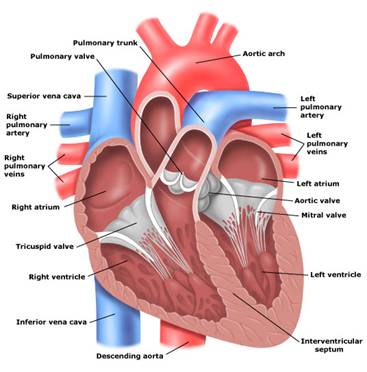
The heart as a pump
The heart is a muscular pump about the size of a fist. Its primary job is to pump oxygenated blood to the rest of the body. It has four chambers: the right and left atria on top, and the right and left ventricles on the bottom. A thin muscular wall called the septum separates the right and left sides.
Each contraction occurs in response to an electrical impulse that starts in the upper portion of the heart. Blood moves in a closed circuit. The heart contracts and pumps blood out (systole) and relaxes to fill with more blood (diastole).
How the heart muscle gets oxygen
The heart muscle needs oxygen like other organs. Oxygen-rich blood reaches the heart muscle through the coronary arteries. Two main arteries — the right coronary artery and the left main coronary artery — begin at the aorta, the body’s main artery, then branch into smaller vessels along the surface of the heart.
Plumbing and wiring
If the coronary veins and arteries are the plumbing, the conduction system is the electrical wiring. Through that wiring, each muscle fiber knows when and how fast to beat so the heart can pump efficiently.
Electrophysiology is the part of cardiology that studies this electrical system — the same system evaluated during an EP study when a physician needs more detail than an EKG can provide.
The conduction pathway
The electrical system is affected by the brain and by hormones and electrolytes. How those elements interact with the heart’s rhythm generators determines heart rate and the sequence of the heartbeat.
The sino-atrial (SA) node is the body’s main natural cardiac pacemaker. The heartbeat starts there and spreads through conduction fibers in the two atria, causing them to contract. The beat normally reaches the ventricles only after it has passed through the atrioventricular (AV) node. The AV node slows the signal so atrial contraction can finish and fill the ventricles more completely. It also helps prevent the lower chambers from beating too fast if the atria develop a rapid rhythm.
Finishing each beat
The electrical signal then passes to the ventricles — the main workhorses of the heart — through the bundle of His, the bundle branches, and the Purkinje system, a specialized network that coordinates ventricular contraction. Each heartbeat is completed and a new one is initiated in the SA node.
When you are nervous or exercising, the heartbeat typically speeds up; during relaxation it slows. That combination of the heart’s own rhythms and the body’s energy needs is normal.
When to ask a physician
If you have palpitations, fainting, or a known arrhythmia, this overview is only background. Call the office to ask about evaluation. Call 911 for emergency symptoms.