Patient education
The Normal Heart
The heart is a muscle about the size of a clenched fist. It pumps blood every second of every day. Circulating blood delivers oxygen and nutrients and carries waste toward the kidneys, liver, and lungs. Three components work together: structure, electrical system, and circulation.
Three components that work together
The heart structure includes the muscle’s chambers and valves. The electrical system provides the signals that tell the heart to beat. The circulatory system is the network of blood pathways.
Trouble in any part can affect the others. Understanding the normal pattern makes arrhythmias and other problems easier to discuss with a physician.
The heart structure
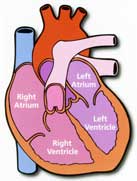
The heart is divided into four chambers — the left and right atria (upper chambers) and the left and right ventricles (lower chambers). With each heartbeat, the atria draw blood into the heart and send it to the ventricles, which push blood out.
Valves between the chambers and at the ends of the ventricles open and close like doorways so blood continues to move forward in the right direction.
The electrical system
An electrical impulse generator called the sinus node sends signals from the right atrium to trigger the heartbeat, like a natural pacemaker. The current follows a web of pathways, causing the chambers to squeeze and release in a steady sequence that draws blood in and pushes it out.
The circulatory system
Arteries carry oxygen-rich blood from the left side of the heart to smaller vessels (capillaries) throughout the body. Veins return used blood to the right side of the heart, which routes it to the lungs to pick up oxygen. Fresh blood then returns to the left side, and the cycle repeats.
When things do not work together
A clogged artery can cause a heart attack, which can damage muscle, which can disrupt the electrical pathway in the damaged area, which can cause an arrhythmia. That chain is one example from recovered education — not a description of your situation.
Rhythm problems can also occur without a blocked artery. A physician sorts the cause.
Keeping the system as healthy as you can
Recovered education listed eating well, exercising, avoiding excess alcohol, and not smoking as common advice that can support heart health. Some heart problems still occur despite those efforts.
This is general wellness language, not a treatment plan. Ask your physician what is appropriate for you.