Heart rhythm condition
Ventricular Tachycardia (VT) in Reseda, CA
Ventricular tachycardia, often called VT, is a rapid heart rhythm that originates in the ventricles, the lower chambers of the heart. A cardiac electrophysiologist may evaluate possible VT when symptoms, an EKG, or hospital monitoring raise that concern.
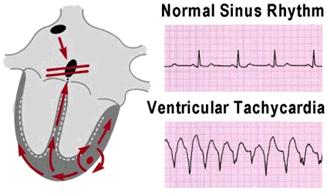
What ventricular tachycardia is
VT is a rapid heartbeat caused by abnormal firing of electrical signals in the ventricle. Recovered education described typical rates of 160 to 240 beats per minute. The rapid rate may not allow enough time for the heart to fill before it contracts, so blood flow to the body can be reduced.
VT most often occurs in people with underlying structural heart disease, such as ischemic heart disease. It can also be discussed in other settings. Only a physician can determine whether a recorded rhythm is VT.
Symptoms that may prompt evaluation
Recovered practice pages listed diminished or irregular pulse, fatigue, shortness of breath, syncope (fainting), palpitations, low blood pressure, chest pain, and cardiac arrest among symptoms associated with VT.
Dizziness, lightheadedness, or loss of consciousness can occur when blood flow is compromised. Emergency symptoms require 911, not a website form.
Causes and factors mentioned in recovered education
The recovered Conditions page listed abnormal electrolyte levels, electrocution, heart attack, scarring after a heart attack, and unstable angina among possible causes. Risk factors listed included alcohol use, cardiomyopathy, congenital heart defects, certain drugs (including caffeine, cocaine, some heart drugs, diet pills, and some cold and allergy medications), coronary heart disease, hypertension, and valve disease.
These lists are educational. They do not mean any one factor caused your symptoms. A physician sorts this out.
How specialists may evaluate VT
A physician typically takes a detailed history and examines the patient. Tests may include a resting electrocardiogram or ambulatory monitoring with a Holter monitor or loop recorder. An electrophysiology study may be discussed when more detail about the electrical system is needed.
The goal is to document the rhythm, understand related heart conditions, and discuss next steps. This page does not confirm a diagnosis.
Potential treatment approaches
Care, when recommended, may include medications, lifestyle discussion, catheter ablation for some patients, or an implantable cardioverter defibrillator (ICD) when a physician determines that is appropriate. Cardioversion or emergency defibrillation may be used to restore a safer rhythm in urgent settings.
No treatment is guaranteed to prevent every future episode. Device criteria and medication choices require physician review.
When to contact a physician
Call the Reseda office if you have been told you have VT or were referred for heart rhythm evaluation. Call 911 for fainting, severe chest pain, sudden severe shortness of breath, or suspected cardiac arrest.