Heart rhythm emergency topic
Ventricular Fibrillation (VF) in Reseda, CA
Ventricular fibrillation, often called VF, is a very fast, irregular rhythm in the ventricles. The heart cannot pump effectively. VF is a medical emergency. This page is educational and is not a substitute for calling 911.
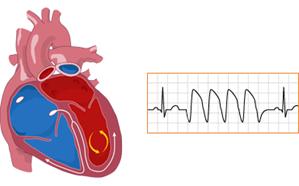
What ventricular fibrillation is
In VF, disorganized electrical impulses in the lower chambers cause the ventricles to quiver instead of pumping blood. Recovered education described immediate loss of the heart’s pumping ability.
VF causes sudden loss of consciousness. It is life-threatening and requires immediate emergency treatment with defibrillation — an electrical shock intended to restart a coordinated rhythm.
How VF relates to sudden cardiac arrest
Recovered pages described VF as a major cause of sudden cardiac arrest. Blood and oxygen do not reach vital organs such as the brain while the ventricles quiver.
If cardiac arrest is not treated promptly, it can be fatal. Bystander CPR and an automated external defibrillator, when available, are emergency responses — not office appointments.
Who may later be evaluated
People who have survived a cardiac arrest, or who have had ventricular tachycardia or other rhythm problems that could lead to arrest, may later discuss further evaluation. A history of heart disease is one reason physicians consider risk.
This website cannot tell you whether you are at risk for VF.
How specialists may evaluate after an event
After emergency care, a cardiologist or electrophysiologist may review hospital records, EKGs, heart function, and related conditions. Further testing depends on the individual.
An ICD may be discussed for some people after dangerous ventricular arrhythmias. That decision is individualized.
Potential later treatment discussions
Recovered education described ICDs as devices that monitor the heart and may deliver pacing or a shock if a dangerous rapid rhythm is detected. Medications, ablation, or other care may also be discussed depending on the situation.
Outcomes vary. Nothing on this page promises that a device or procedure will prevent every future event.
When to get emergency help
If someone collapses, is unresponsive, or is not breathing normally, call 911 immediately. For non-emergency questions after a hospital stay or referral, call our Reseda office.