Heart rhythm condition
Premature Ventricular Contractions (PVCs) in Reseda, CA
A premature ventricular contraction is an extra beat that starts in a ventricle before the normal signal arrives. Many people feel a skip or pause. PVCs are common. A physician decides whether they need further evaluation.
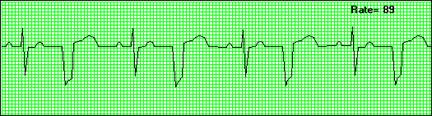
What a PVC is
A PVC happens when there is a premature discharge of an electrical impulse in the ventricle, causing a premature contraction. The ventricle contracts early, without waiting for the usual signal from the AV node.
Recovered education described PVCs as most often transient and common, including in people without heart disease. Most often they are harmless, though a physician should interpret frequent or symptomatic extra beats.
How PVCs can feel
The most common symptom is palpitations. Patients often describe “skipping” or “missing” a heartbeat. The recovered explanation is that the PVC comes too early to produce an effective pulse, so no beat is felt until the next regularly timed beat after a pause.
In many cases PVCs cause no symptoms at all.
Factors mentioned in recovered education
In most cases, the recovered Conditions text noted that patients have no history or evidence of a related problem in that unfinished sentence — meaning many people with PVCs do not have known heart disease. A related multimedia page listed anxiety, caffeine, exercise, and certain drugs or medications as possible contributors in adults, and stated PVCs can also occur in children.
Lifestyle changes such as reducing caffeine or stress were mentioned for some extra beats. That does not replace medical evaluation when symptoms are new, frequent, or associated with dizziness or fainting.
How specialists may evaluate PVCs
An EKG can show PVCs if they occur during the tracing. A Holter monitor or other ambulatory recording may be used to count how often they occur and whether they happen with symptoms.
Further testing depends on the patient, including whether structural heart disease is a concern.
Potential next steps
Many PVCs are observed. If symptoms are bothersome or the pattern is frequent, a physician may discuss contributing factors, monitoring, or treatment. This website cannot tell you whether your extra beats are benign.
When to contact a physician
Call the office to ask about evaluation if palpitations persist or another doctor has noted PVCs. Call 911 if extra beats occur with fainting, severe chest pain, or sudden severe shortness of breath.