Heart rhythm testing
Electrocardiogram (EKG or ECG) in Reseda, CA
An electrocardiogram is a brief test that records the electrical activity of the heart at rest. It is often the first rhythm test a physician orders. It cannot capture every intermittent arrhythmia by itself.
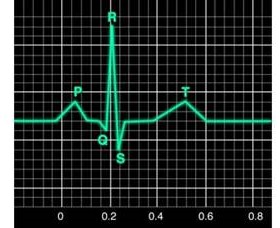
What an EKG records
The heart’s electrical impulses are shown as a line tracing. By examining the sequence of waves, physicians can diagnose many arrhythmias that are present during the recording.
Recovered Tests education described the tracing as a wavy line on paper. Today the same information is usually displayed digitally. The idea is unchanged: a short snapshot of the electrical pattern.
Why a brief test has limits
Arrhythmias are often unpredictable and intermittent. An EKG records only the events that occur while the test is running. That is why a physician may later recommend a Holter monitor, event recorder, or EP study.
A normal EKG does not prove that palpitations or fainting are unrelated to rhythm.
How the test is done
Electrodes are placed on the chest and often the limbs. The test is painless and typically takes only a few minutes. You lie still while the tracing is recorded.
No special preparation is usually required unless you are told otherwise.
What physicians look for
The tracing can show a regular sinus rhythm, extra beats, atrial fibrillation or flutter, heart block, a long QT interval, or patterns that suggest a prior heart attack, among other findings.
Only a trained clinician should interpret your EKG. This website cannot read a tracing.
Related testing
If more time is needed, outpatient ECG monitoring may be the next step. An echocardiogram looks at structure and pumping, not the same electrical snapshot.
When to contact the office
Call if you were asked to come in for an EKG or have questions about a result you were given. Call 911 for chest pain, fainting, or other emergency symptoms.