Cardiac device procedure topic
Pacemaker Implantation in Reseda, CA
A pacemaker is a small device that can send electrical impulses to help maintain a suitable heart rate when the natural pacemaker is too slow. Whether implantation is needed is a physician decision. Please call to ask about evaluation and device care.
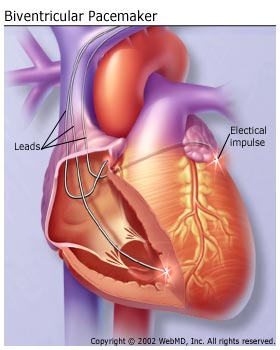
What is implanted
A typical pacemaker has a pulse generator — battery and a small computer — placed under the skin of the chest, and leads (wires) that are threaded through veins into the heart. The leads send impulses to the heart muscle and sense the heart’s electrical activity.
Each paced impulse can cause the heart to contract when the device is programmed to do so. The physician programs a minimum rate. When the heart rate drops below that setting, the pacemaker can fire.
Types of pacemakers mentioned in recovered education
A single-chamber pacemaker uses one lead in an atrium or a ventricle. A dual-chamber pacemaker uses a lead in the atria and a lead in the ventricles. A biventricular pacemaker uses three leads: right atrium, right ventricle, and a left-ventricular lead typically placed via the coronary sinus — this is cardiac resynchronization therapy.
Your physician decides which type, if any, fits your condition.
When implantation might be discussed
Pacemakers are most commonly discussed for bradyarrhythmias — slow rhythms from disease in the SA node, AV node, or His-Purkinje system. Recovered education also mentioned syncope, heart failure treated with CRT, and hypertrophic cardiomyopathy as situations in which pacing is sometimes considered.
Not every slow pulse requires an implant.
Preparation notes from recovered education
Ask which medications you may take. Some medicines may be stopped one to five days before the procedure if the physician instructs that. People with diabetes should ask how to adjust diabetes medications.
Recovered instructions said not to eat or drink after midnight the evening before, and to take allowed medications with only a small sip of water. Wear comfortable clothes, change into a gown, and leave jewelry at home. Confirm all prep with the treating team — these notes are flagged for physician approval.
After implantation
Follow-up device checks are an important part of care. Wound questions and activity guidance come from the implanting and follow-up team. Our office lists pacemaker device care among reasons patients call.
Do not send device reports through the website form.
When to contact a physician
Call the office about pacemaker evaluation or implant follow-up. Seek urgent care for fainting, severe shortness of breath, or signs of infection after a recent procedure as directed by your physician.