Heart rhythm condition
Atrial Flutter Evaluation in Reseda, CA
Atrial flutter is a rapid heart rhythm that starts in the atria, the upper chambers of the heart. Unlike atrial fibrillation, the heartbeat in flutter is typically regular. A heart rhythm specialist in Reseda may evaluate possible flutter when symptoms or an EKG raise that question.
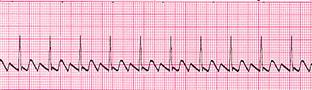
What atrial flutter is
Atrial flutter is similar to atrial fibrillation in that it is a rapid rhythm that originates in the atria. It differs in that the heartbeat is regular, not irregular. Recovered practice education described the electrical signal becoming “trapped” in the right atrium and traveling repeatedly in a circular pattern, only occasionally passing through the AV node to the ventricles.
That pattern can cause the atria to beat faster than the ventricles. The recovered description placed typical atrial rates between 150 and 450 beats each minute. Only a physician can interpret your rhythm.
How flutter differs from atrial fibrillation
In atrial fibrillation, the atrial activity is irregular and the pulse is often erratic. In atrial flutter, the circuit is more organized. Both can impair how efficiently the heart pumps blood.
Atrial flutter also carries a risk of blood clots, though the recovered education described that risk as not as great as with atrial fibrillation. Clot-prevention decisions are individualized and must be made by a physician.
Symptoms and reasons for evaluation
People may notice palpitations, fatigue, dizziness, fainting spells, shortness of breath, or chest discomfort. Some people have few symptoms and learn about flutter from an EKG or monitor.
Evaluation may also follow a hospital stay, a stroke or TIA concern, or a referral from another physician in the San Fernando Valley or greater Los Angeles area.
How specialists may evaluate flutter
A physician may review your history and perform an electrocardiogram. Longer monitoring, such as a Holter monitor, or an electrophysiology study may be discussed if the diagnosis or treatment plan is unclear.
This page cannot diagnose atrial flutter or decide whether treatment is needed.
Potential treatment approaches
Recovered education described anti-arrhythmic medications to restore or maintain a more normal rhythm, and catheter ablation to treat abnormal electrical pathways when medications are not enough or not a good fit. Lifestyle discussion may also be part of care.
Whether medication, monitoring, cardioversion, or ablation is appropriate can only be determined after evaluation. Treatment is not guaranteed to eliminate flutter or prevent every complication.
When to contact a physician
Call Cardiac Rhythm Specialists if you have been told you have atrial flutter or want to ask about an evaluation. Seek emergency care for chest pain, severe shortness of breath, fainting, or stroke symptoms. Call 911 for emergencies.